
• Travel expert and founder of the Akwaaba African Travel Market, Ikechi Uko has clinched the 2016 MICE East Africa’s Tourism and Hospitality Personality Award. The award was part of the 2017 MICE East Africa Forum and Expo held in Addis Ababa, Ethiopia and was presented to Uko by the Chief Executive Officer, Ethiopian Tourism Organisation, Yohannes Tilah.
    The award was given to Uko for his unrelenting passion towards tourism and hospitality in Africa. “This award is presented as recognition for your invaluable contributions for the overall advancement of tourism and hospitality businesses in Africa. Your tireless effort to promote African tourism has greatly helped domestic hospitality becoming sources of economic growth and social development as well as building international reputations.

    Therefore, on behalf of MICE East Africa Forum and Expo and the Hotel Show Africa Hospitality Investment Trade show we are grateful to honour you and acknowledge your continued works throughout African tourism and hospitality industry,” said Kumneger Teketel WG, Managing Director of Ozzie Business & Hospitality GP.

    In his response Uko acknowledged the sustained efforts of African working hard to uplift tourism on the continent. “I dedicate the award to Africa and all Africans promoting Travels within Africa,” Mr. Uko said.
    Travel expert and founder of the Akwaaba African Travel Market, Ikechi Uko has clinched the 2016 MICE East Africa’s Tourism and Hospitality Personality Award. The award was part of the 2017 MICE East Africa Forum and Expo held in Addis Ababa, Ethiopia and was presented to Uko by the Chief Executive Officer, Ethiopian Tourism Organisation, Yohannes Tilah. The award was given to Uko for his unrelenting passion towards tourism and hospitality in Africa. “This award is presented as recognition for your invaluable contributions for the overall advancement of tourism and hospitality businesses in Africa. Your tireless effort to promote African tourism has greatly helped domestic hospitality becoming sources of economic growth and social development as well as building international reputations. Therefore, on behalf of MICE East Africa Forum and Expo and the Hotel Show Africa Hospitality Investment Trade show we are grateful to honour you and acknowledge your continued works throughout African tourism and hospitality industry,” said Kumneger Teketel WG, Managing Director of Ozzie Business & Hospitality GP. In his response Uko acknowledged the sustained efforts of African working hard to uplift tourism on the continent. “I dedicate the award to Africa and all Africans promoting Travels within Africa,” Mr. Uko said.
    0 Comments 0 Shares

  • Like
    1
    0 Comments 0 Shares
  • Ethiopia is everyone’s homeland
    Going to Ethiopia is kind of going home, as archaeological digs increasingly link this area with the birth of humans between two and three million years ago.

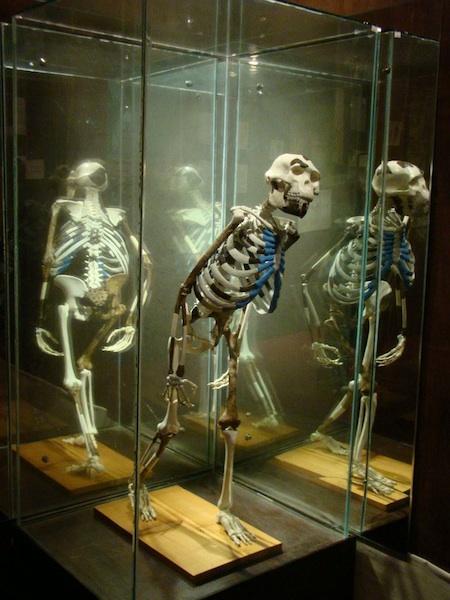
    Previously one of the most famous is the 3.2-million-year-old “Lucy,” an ape-like Australopithecus afarensis, which is believed to be an ancient forerunner to homo sapiens. Named for the Beatles song “Lucy in the Sky with Diamonds,” she stood just over 3ft (36 in) tall. You can see her at Addis Ababa’s National Museum of Ethiopia, along the somehow less-heralded “Ardi,” a forerunner of Lucy’s who’s actually a million years older.

    And Ethiopia’s role in our ever-changing history continues to become clearer. In 2015, a 2.8-million-year-old jaw was found in northeast Ethiopia, believed to mark an important gap as hominids like Lucy transitioned to blokes like us.
    Ethiopia is everyone’s homeland Going to Ethiopia is kind of going home, as archaeological digs increasingly link this area with the birth of humans between two and three million years ago. Previously one of the most famous is the 3.2-million-year-old “Lucy,” an ape-like Australopithecus afarensis, which is believed to be an ancient forerunner to homo sapiens. Named for the Beatles song “Lucy in the Sky with Diamonds,” she stood just over 3ft (36 in) tall. You can see her at Addis Ababa’s National Museum of Ethiopia, along the somehow less-heralded “Ardi,” a forerunner of Lucy’s who’s actually a million years older. And Ethiopia’s role in our ever-changing history continues to become clearer. In 2015, a 2.8-million-year-old jaw was found in northeast Ethiopia, believed to mark an important gap as hominids like Lucy transitioned to blokes like us.
    WWW.GADVENTURES.COM
    7 Things Everyone Should Know about Ethiopia
    Travel writer and National Geographic Travel's Digital Nomad, Robert Reid, meets Ethiopia head-on and shares his top seven takeaways with us.
    0 Comments 0 Shares
  • Travel to Ethiopia: First Impressions
    When I was growing up, I remember Ethiopia having a long run on the nightly news. Unfortunately newscasts all pointed to the grim. Newsreel images featured fly-ridden babies with distended bellies, drought-ruined landscapes and a ravaging famine made only worse by civil war.
    Sounding familiar?

    Prior to our visit, we figured some distance between the Ethiopia of the 1980s and the Ethiopia of today — yet not quite to the extent we’d found. If our visit to Ethiopia proved nothing else, it proved this: though countries remain themselves at heart, they can emerge from perilous circumstances. When they do, stereotypes can slowly be cast aside and the historical, cultural and natural contours – which had always existed yet never been highlighted – can more clearly be revealed.

    As we shared photos of unexpected castles, remarkable mountain landscapes, ancient churches and colorful plates of local food during our trip, readers would ask: “Is that really Ethiopia?”

    Yes it is.

    Our unpacking of our travels in Ethiopia begins with a few first yet lasting impressions of the country.
    Travel to Ethiopia: First Impressions When I was growing up, I remember Ethiopia having a long run on the nightly news. Unfortunately newscasts all pointed to the grim. Newsreel images featured fly-ridden babies with distended bellies, drought-ruined landscapes and a ravaging famine made only worse by civil war. Sounding familiar? Prior to our visit, we figured some distance between the Ethiopia of the 1980s and the Ethiopia of today — yet not quite to the extent we’d found. If our visit to Ethiopia proved nothing else, it proved this: though countries remain themselves at heart, they can emerge from perilous circumstances. When they do, stereotypes can slowly be cast aside and the historical, cultural and natural contours – which had always existed yet never been highlighted – can more clearly be revealed. As we shared photos of unexpected castles, remarkable mountain landscapes, ancient churches and colorful plates of local food during our trip, readers would ask: “Is that really Ethiopia?” Yes it is. Our unpacking of our travels in Ethiopia begins with a few first yet lasting impressions of the country.
    0 Comments 0 Shares
  • Ethiopia | Food
    Traditional Ethiopian cuisine can be an acquired taste, though some take to it instantly. The most common meals you’ll find are a variety of meat or vegetarian stews served on injera, a soft, sour, almost pancake-like bread. Injera really is a love-it-or-hate-it culinary experience. One guidebook compared it to a damp dishcloth. But whatever your take on injera, the incredibly flavourful stews of curried beef, lentils, okra, or chickpeas are indisputably delicious. For those a little less bold in their appetites, it may come as a pleasant surprise that, as a result of the Italian occupation of Ethiopia during the Second World War, pasta options can be found on most menus.

    https://www.gadventures.com/blog/top-5-ethiopia-experiences/
    Ethiopia | Food Traditional Ethiopian cuisine can be an acquired taste, though some take to it instantly. The most common meals you’ll find are a variety of meat or vegetarian stews served on injera, a soft, sour, almost pancake-like bread. Injera really is a love-it-or-hate-it culinary experience. One guidebook compared it to a damp dishcloth. But whatever your take on injera, the incredibly flavourful stews of curried beef, lentils, okra, or chickpeas are indisputably delicious. For those a little less bold in their appetites, it may come as a pleasant surprise that, as a result of the Italian occupation of Ethiopia during the Second World War, pasta options can be found on most menus. https://www.gadventures.com/blog/top-5-ethiopia-experiences/
    0 Comments 1 Shares
  • The Churches of Lalibela

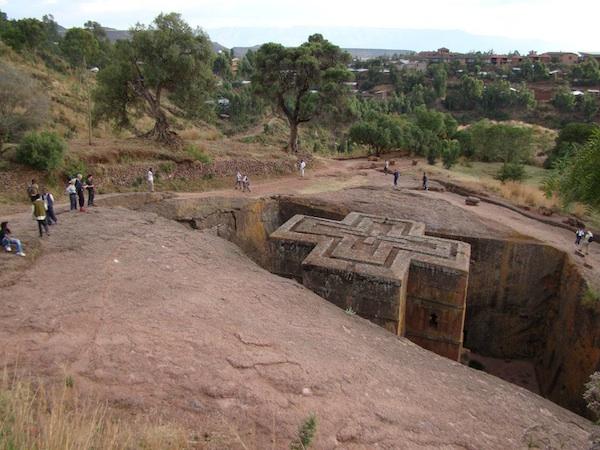
    In the city of Lalibela we wandered along the narrow canyon-like pathways moving from one rock-hewn church to the next. There are 11 in total, dating back to the 12th and 13th centuries. Some are chiseled into the rock, which forms the walls or roof of the church. Others are completely carved out with all four walls standing apart from the rock. But each one invokes awe in the accomplishments of a society with tools much less advanced than what we have today.

    https://www.gadventures.com/blog/top-5-ethiopia-experiences/
    The Churches of Lalibela In the city of Lalibela we wandered along the narrow canyon-like pathways moving from one rock-hewn church to the next. There are 11 in total, dating back to the 12th and 13th centuries. Some are chiseled into the rock, which forms the walls or roof of the church. Others are completely carved out with all four walls standing apart from the rock. But each one invokes awe in the accomplishments of a society with tools much less advanced than what we have today. https://www.gadventures.com/blog/top-5-ethiopia-experiences/
    0 Comments 0 Shares
  • “Lucy”

    Let’s start from the beginning – possibly the beginning of mankind. At the National Museum of Ethiopia in Addis Ababa, we had a quick visit with “Lucy” who, at 3.5 million years old is the oldest hominid skeleton ever found. Seeing her frail bones really put into perspective that we were in one of the most ancient lands of humankind.
    “Lucy” Let’s start from the beginning – possibly the beginning of mankind. At the National Museum of Ethiopia in Addis Ababa, we had a quick visit with “Lucy” who, at 3.5 million years old is the oldest hominid skeleton ever found. Seeing her frail bones really put into perspective that we were in one of the most ancient lands of humankind.
    0 Comments 0 Shares
  • Ethiopia | Coffee
    Ethiopian coffee is known for its quality the world over, and where better to have the freshest cup than in Ethiopia itself? I started all my days off right with a strong, robust cup, and often allowed myself the lovely afternoon treat of a rich and creamy cappuccino.
    Ethiopia | Coffee Ethiopian coffee is known for its quality the world over, and where better to have the freshest cup than in Ethiopia itself? I started all my days off right with a strong, robust cup, and often allowed myself the lovely afternoon treat of a rich and creamy cappuccino.
    0 Comments 0 Shares